

The United States economy experienced a modest growth rate of 1.5% in the second quarter of 2026, a slight decline from the 2.1% growth observed in the first quarter. This slowdown is attributed to a combination of factors, including increased imports and escalating geopolitical tensions.
Consumer Spending and Business Investment
Despite the overall slowdown, consumer spending—a significant component of the U.S. economy—accelerated to a 3.2% annualized pace, up from 0.5% in the previous quarter. This uptick is largely driven by a recovering job market and robust business investments, particularly in the field of artificial intelligence (AI). However, the surge in imports, especially AI-related hardware, has offset some of these gains, as imports subtract from the Gross Domestic Product (GDP) calculations.
Inflation and Energy Prices
Inflation remains a pressing concern, with the Federal Reserve’s preferred gauge, the Personal Consumption Expenditures (PCE) price index, showing a 3.7% year-over-year increase. Core inflation stands at 3.3%, still above the long-term target of 2%. The ongoing conflict with Iran has contributed to heightened energy prices, further exacerbating inflationary pressures.
Geopolitical Tensions and Economic Impact
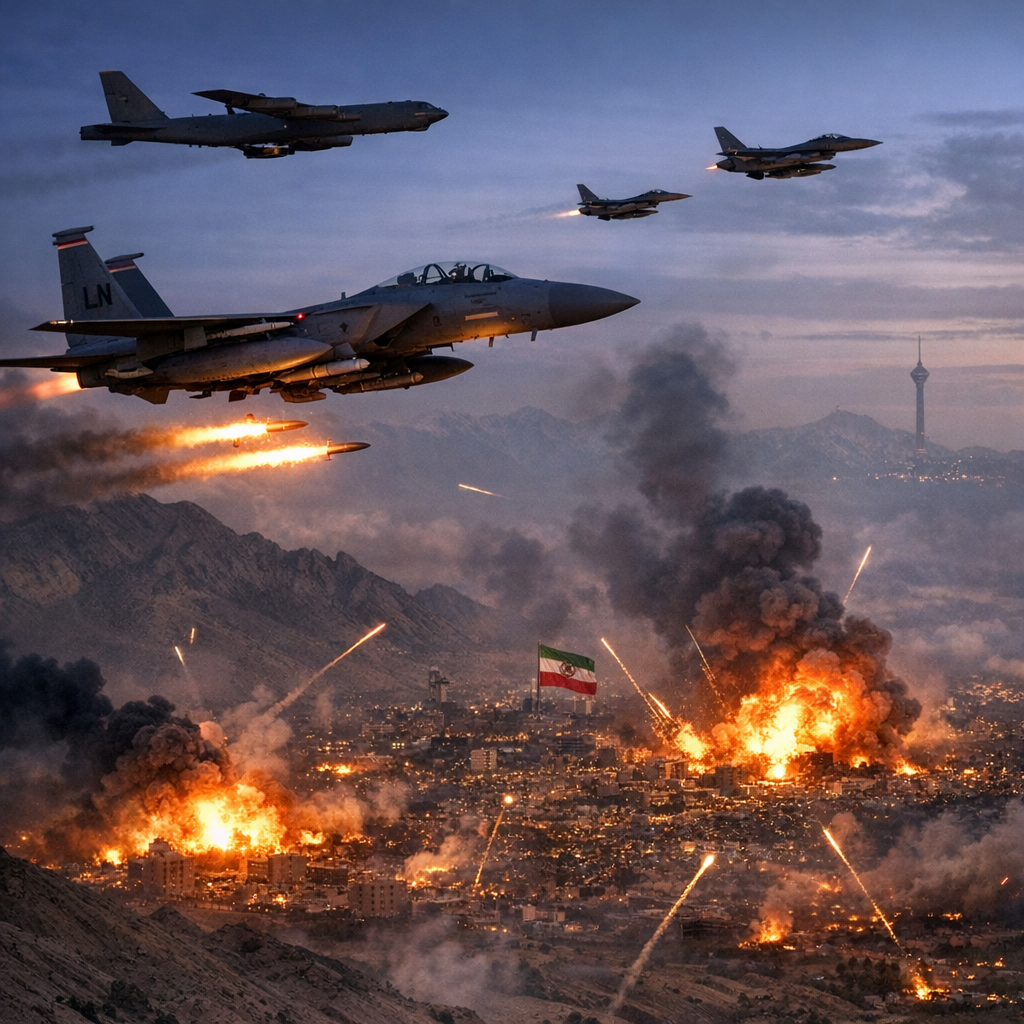
Recent U.S. military actions in Iran, including airstrikes targeting Islamic Revolutionary Guard Corps (IRGC) installations, have intensified geopolitical tensions. These developments have led to increased energy prices and have the potential to disrupt global supply chains, thereby impacting the U.S. economy. The Pentagon’s creation of a new casualty category, “Overseas Operations,” reflects the ongoing military engagements and their human costs.
Future Outlook
Looking ahead, Kiplinger forecasts steady 2% GDP growth into 2027, aligned with long-term productivity and labor force trends. However, risks include potential consumer pullbacks due to low savings rates, inflation from the conflict with Iran affecting energy prices, and possible Federal Reserve interest rate hikes. Additionally, much business investment benefits foreign economies due to import reliance. Tariff changes under the Trump administration are expected to have minimal GDP impact, and government spending is projected to remain flat.
In summary, while the U.S. economy continues to grow, albeit at a slower pace, the interplay between domestic economic activities and international geopolitical developments, particularly with Iran, will be crucial in shaping its future trajectory.