

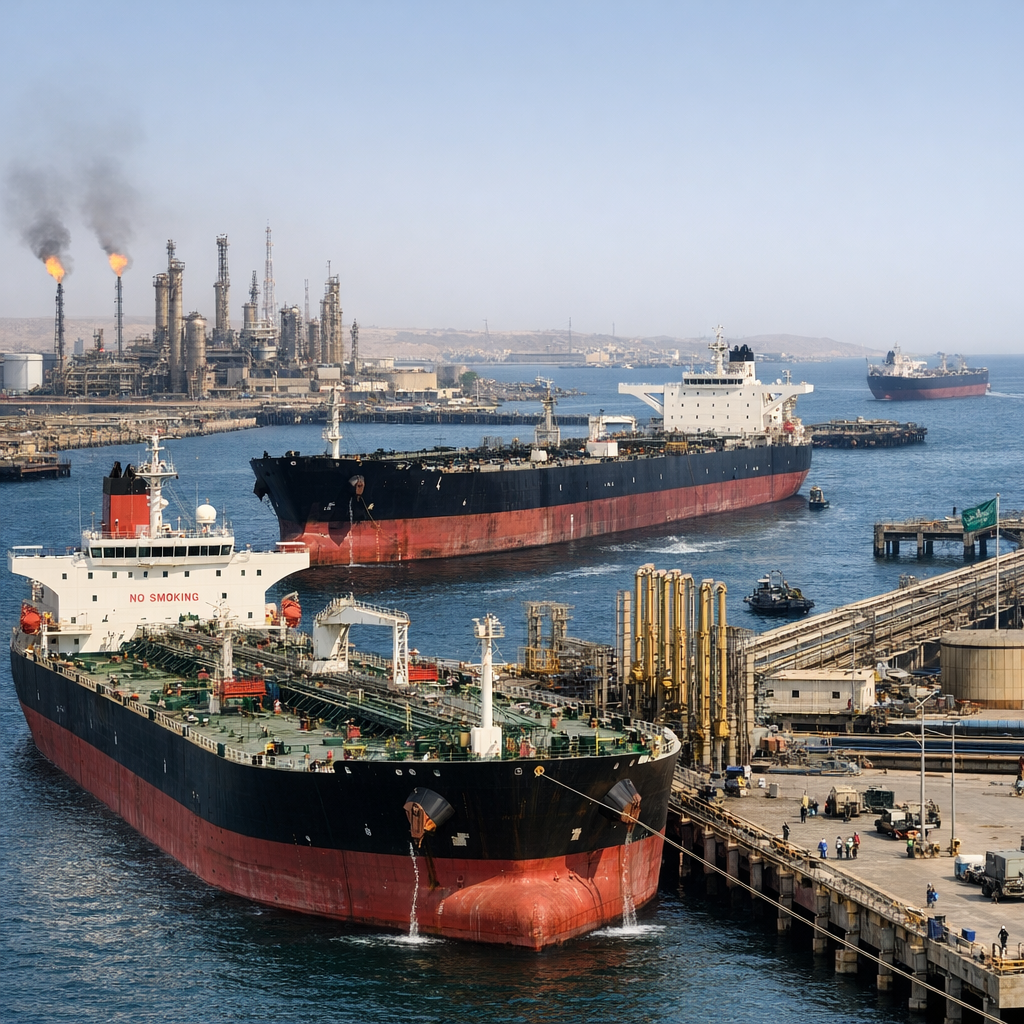
The global economy is currently navigating a complex landscape shaped by the ongoing conflict in the Middle East. This situation has introduced new challenges, particularly affecting growth projections and inflation rates worldwide.
Global Growth Projections
According to the International Monetary Fund (IMF), global growth is projected to slow to 3.1% in 2026, a decrease from previous estimates. This revision is largely attributed to the economic repercussions of the Middle East conflict, including disruptions in oil markets and heightened geopolitical tensions.
Inflationary Pressures
The conflict has also led to a surge in global energy prices, contributing to increased inflationary pressures. The Organization for Economic Cooperation and Development (OECD) notes that the energy supply shock from the Middle East conflict is testing the resilience of the global economy, with inflation expected to be higher in 2026 than previously projected.
Implications for Iran
For Iran, the conflict presents both challenges and opportunities. On one hand, disruptions in the Strait of Hormuz have affected global oil supply chains, potentially impacting Iran’s oil exports. On the other hand, the rise in global energy prices could benefit Iran’s economy, provided it can maintain stable export channels.
Domestically, the economic strain from the conflict may exacerbate existing challenges, including inflation and currency volatility. Policymakers are tasked with navigating these complexities to stabilize the economy and support growth.
Conclusion
The Middle East conflict has introduced significant uncertainties into the global economic outlook. For Iran, understanding and adapting to these dynamics is crucial for mitigating risks and leveraging potential opportunities in this evolving economic environment.