

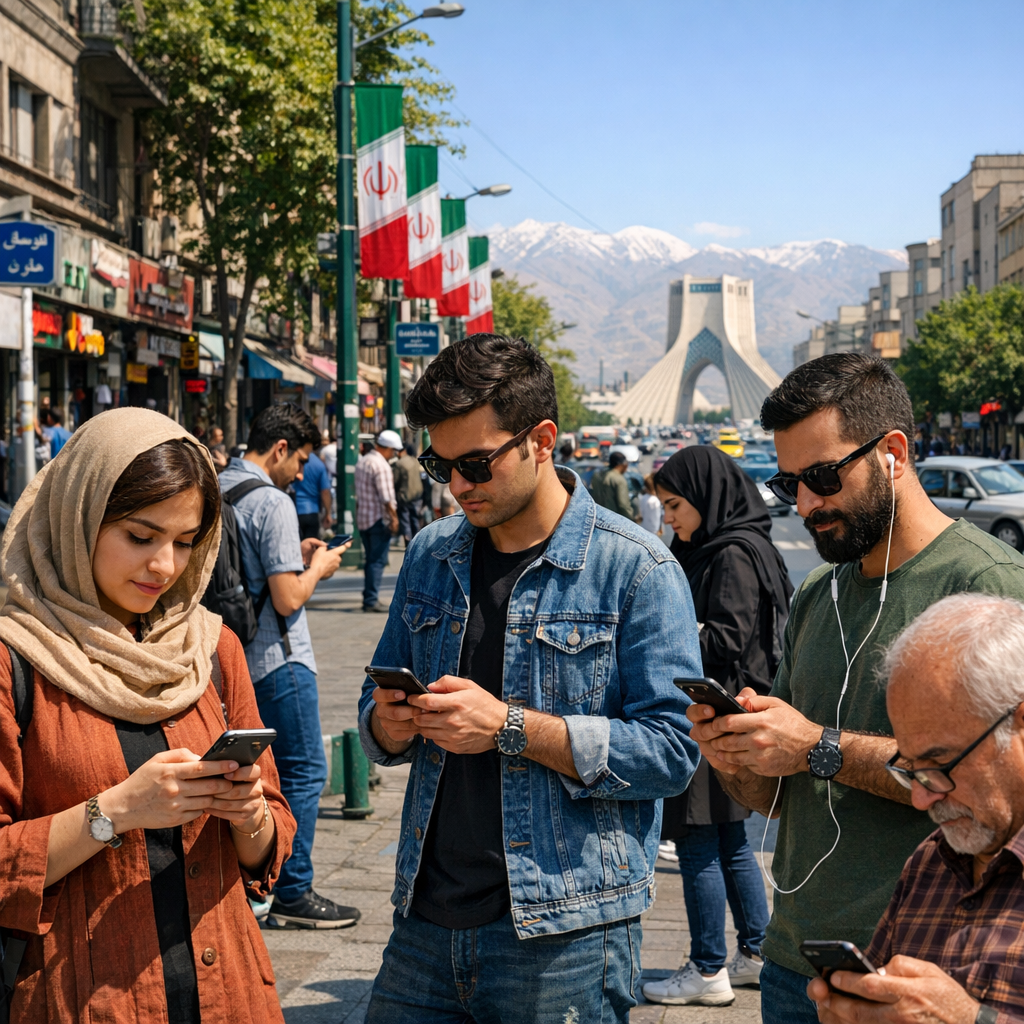
In Tehran, technology isn’t just a luxury—it’s woven through routines, landscapes, and workplaces. Whether it’s using smartphones to connect, startups trying to solve local problems, or AI tools pushing boundaries, the digital world deeply shapes daily life. Here’s how.
Internet Access: Between Connection and Control
Although Iran’s internet penetration reached around 79.6% in late 2025, and over 73 million people used the internet at that time, many still experience disruptions and restrictions in speed, access, and reliability. Domestic platforms often function better than international services, especially during periods of political tension. At one point, usage dropped dramatically when large-scale blackouts were imposed, and even when restored, connections often don’t match what people had before.
Smartphone Life: Useful But Not Without Cost
Smartphones are near-universal in Tehran—for looking up information, working, staying in touch, and more. Yet studies show usage often spirals into what many call “addiction.” For example, over 46% of adults in one recent survey crossed the threshold in the Smartphone Addiction Scale. Young people are especially vulnerable: students report sleep disturbances, poorer academic performance, and physical discomfort like eye strain and neck pain.
Startups, Innovation, and Local Tech Momentum
Despite economic challenges, Iran’s tech scene has been trying to adapt. Some startups are developing locally-designed apps, health tech tools, or gadgets that don’t rely heavily on imports or international networks. Among the obstacles: import restrictions, the high cost of components, and patchy internet access. Still, the need is high and innovators are often creative in working around constraints.
Tools and Gadgets: The New Essentials
Wearables, smart home devices, and ADAS features in newer cars are increasingly visible in affluent parts of Tehran. Yet many see them more as aspirational than essential: the cost of ownership, maintenance, or even just accessing updates or parts can make them difficult to sustain. For older adults especially, basic smartphones with reliable connectivity and clear user interfaces often matter more than flashy gadgets.
Balancing Benefits and Boundaries
For most people in Tehran, technology brings huge advantages—faster communication, easier access to services, remote work, social connection. But many are also rethinking habits: establishing limits on screen time, choosing offline hobbies, or being more deliberate about which apps and platforms they use. As access rights and digital freedoms fluctuate, awareness of privacy and the ethics of tech use is growing.
What’s worth thinking about
- Reliable connection vs. access to international vs. domestic platforms.
- Device fatigue, sleep disruption, health impacts.
- Startup opportunities that are locally grounded yet resilient to external pressures.
- Privacy, data security, and cost of using tools to bypass filters.
Technology’s role in Tehran is not just about gadgets—it’s about what those gadgets mean for work, learning, health, and community. As the city and its people continue to adapt, the true impact will depend on how well we shape tech to serve—not control—us.