

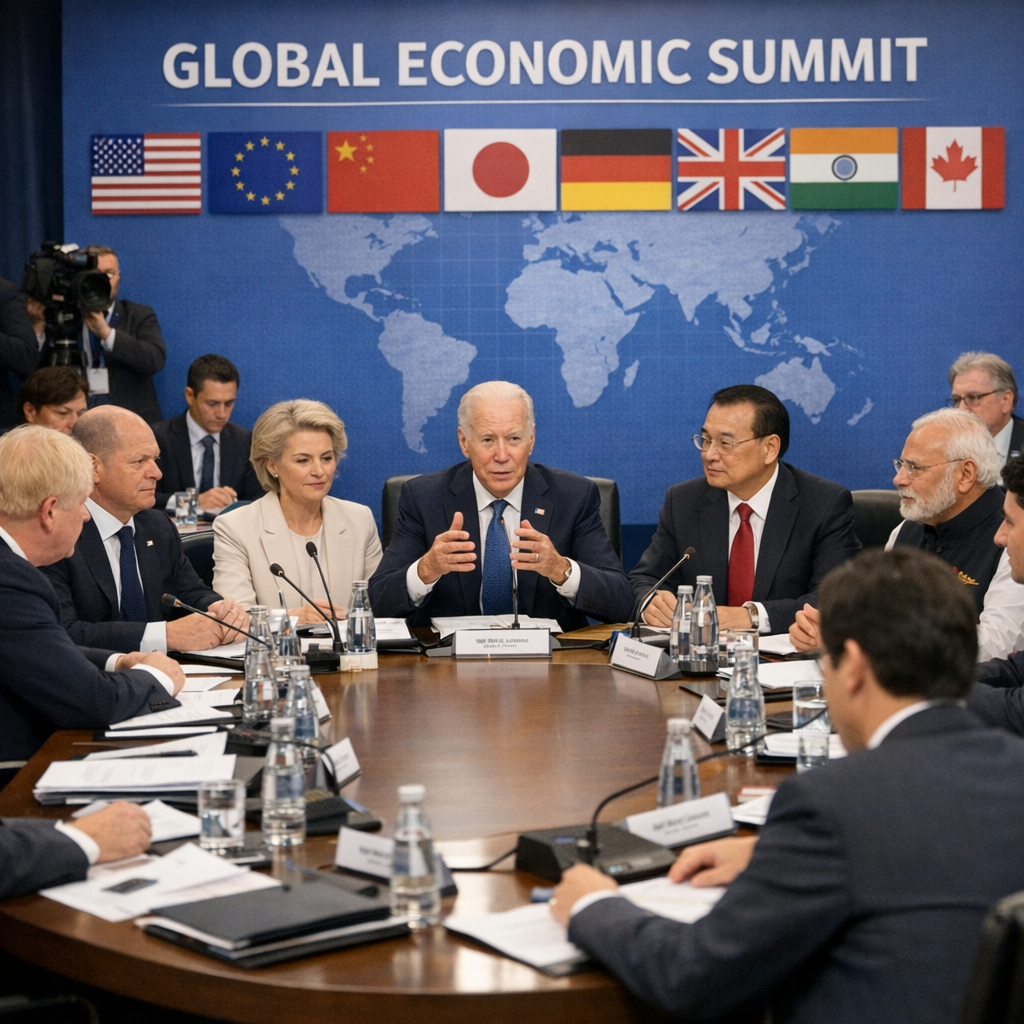
The global economy is currently navigating a complex landscape marked by geopolitical tensions, technological advancements, and varying regional growth patterns. Understanding these dynamics is crucial for policymakers, businesses, and individuals alike.
Geopolitical Tensions and Economic Impact
Recent conflicts, particularly in the Middle East, have introduced significant uncertainties. The International Monetary Fund (IMF) has noted that the ongoing war involving Iran has disrupted global economic momentum and contributed to rising inflation. This situation underscores the interconnectedness of global markets and the far-reaching effects of regional conflicts.
Technological Advancements Driving Growth
On a more positive note, technological innovations, especially in artificial intelligence (AI), are playing a pivotal role in driving economic growth. In the United States, investments in AI and resilient consumer spending are bolstering the economy, with projections indicating moderate growth in the coming years. This trend highlights the potential of technology to offset some negative economic pressures.
Regional Economic Variations
Economic performance varies across regions. For instance, the World Bank projects that while advanced economies are experiencing per capita income growth, about one in four developing economies remain poorer than they were in 2019. This disparity emphasizes the need for targeted policies to support vulnerable economies and promote inclusive growth.
Inflation and Monetary Policies
Inflation remains a pressing concern globally. The IMF’s latest World Economic Outlook reports a global growth forecast cut to 3.1%, down from 3.4% in 2025, due to the conflict’s economic repercussions, including oil market disruptions. Central banks are faced with the challenge of balancing inflation control with the need to support economic growth, leading to varied monetary policy approaches worldwide.
Conclusion
The global economic outlook is characterized by a mix of challenges and opportunities. Geopolitical tensions and inflationary pressures pose significant risks, while technological advancements offer avenues for growth. Navigating this complex environment requires coordinated policy responses, strategic investments, and a focus on sustainable development to ensure a resilient global economy.