

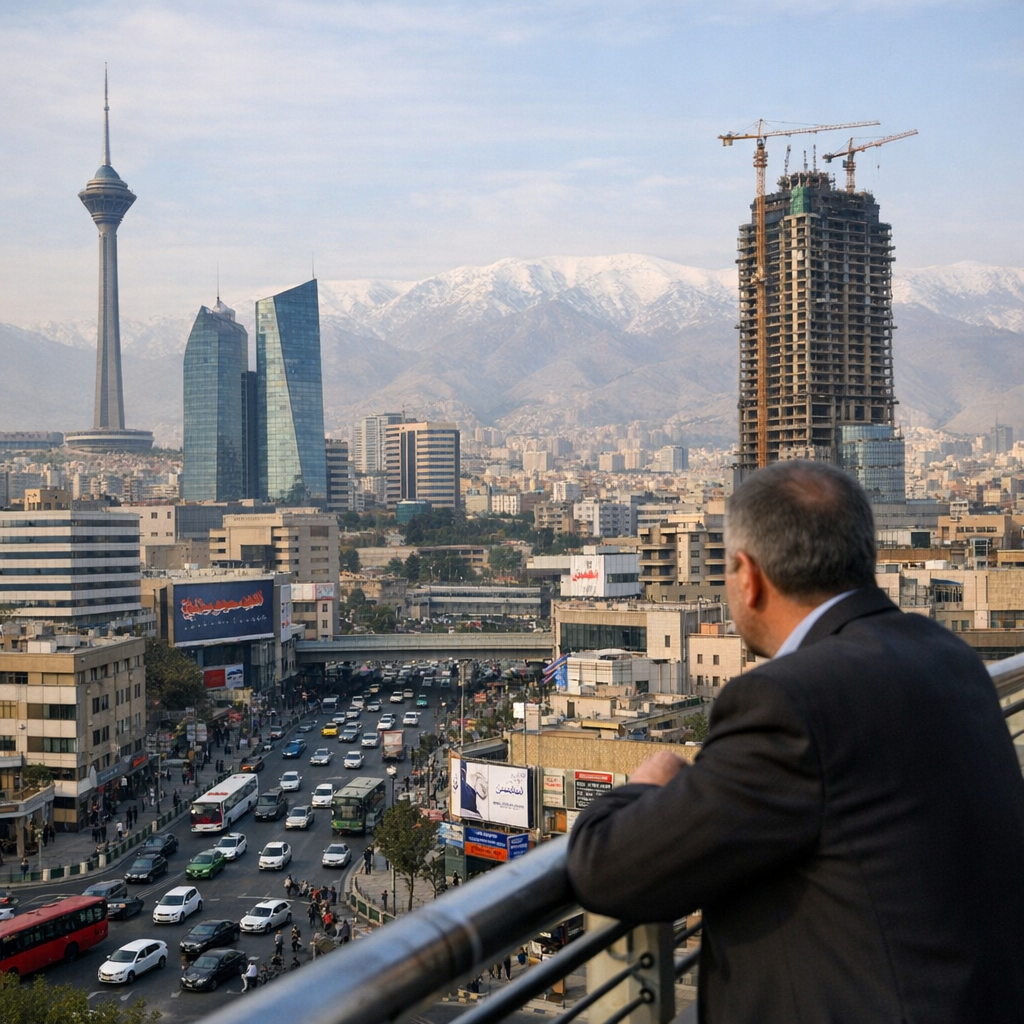
Tehran, as Iran’s capital, stands as the nation’s economic heartbeat, contributing significantly to the country’s GDP. The city hosts a diverse range of industries, including manufacturing sectors like automobiles, electronics, textiles, and chemicals. Additionally, Tehran serves as the administrative hub for the oil and gas industry, with major companies such as Pars Oil, Speedy, and Behran headquartered here. The Tehran Stock Exchange, the largest in the country, underscores the city’s pivotal role in Iran’s financial landscape.
Challenges in the Business Environment
Despite its economic prominence, Tehran’s business community faces several challenges. International sanctions have led to difficulties in importing essential materials, accessing foreign technology, and conducting international trade. This has resulted in high inflation and a devaluation of the national currency, the rial, making everyday goods more expensive for citizens. The unpredictability of raw material and product prices, coupled with instability in policies and regulations, further complicates the business environment.
Resilience and Adaptation
In response to these challenges, Tehran’s businesses have demonstrated remarkable resilience. The city has seen a surge in domestic production, with local industries stepping up to meet demand. Entrepreneurs have been innovative, finding new ways to operate within the constraints imposed by sanctions. The informal economy has also expanded, providing a crucial safety net for many residents.
Public-Private Collaboration
Strengthening collaboration between the government and the private sector is essential for building economic resilience. Effective coordination can lead to policy stability and targeted support, helping businesses navigate the current economic landscape. Initiatives such as easing import-export restrictions, providing low-interest loans, and offering temporary tax exemptions can bolster the private sector’s capacity to contribute to economic recovery.
Looking Ahead
While challenges persist, Tehran’s business community continues to adapt and seek opportunities for growth. The city’s strategic location, skilled workforce, and diverse industries provide a strong foundation for future development. Continued investment in infrastructure, education, and technology, coupled with supportive policies, can pave the way for a more robust and resilient economy.